
Dealing with Common Pest Problems in Cornwall
- Adam Heard
- 4 days ago
- 4 min read

Living in Cornwall is a dream for many, with its stunning coastline, charming villages, and lush gardens. But with all that natural beauty comes a few unwelcome visitors - pests! Whether you’re dealing with ants in the kitchen, mice in the attic, or wasps buzzing around your garden, pest problems can quickly become a headache. The good news? You don’t have to face these challenges alone. I’m here to share some practical tips and friendly advice on how to tackle common pests and keep your home or business pest-free.
Understanding Local Pest Issues Solutions in Cornwall
Cornwall’s mild climate and rural surroundings create the perfect environment for a variety of pests. From rodents to insects, these critters can find their way indoors looking for food, warmth, or shelter. Knowing what you’re up against is the first step to effective control.
Some of the most common pests in Cornwall include:
Mice and rats: These rodents are notorious for sneaking into homes and businesses, especially during colder months.
Wasps: Summers in Cornwall can bring an influx of wasps, which can be a real nuisance and even dangerous for those allergic.
Ants: Tiny but persistent, ants often invade kitchens and pantries.
Cockroaches: Though less common, cockroaches can appear in damp, dark areas.
Birds and pigeons: While they add to the charm of Cornwall’s towns, they can cause damage and hygiene issues when nesting near buildings.
Each pest requires a slightly different approach, so it’s important to identify the problem correctly. For example, mice leave droppings and gnaw marks, while wasps build visible nests in eaves or sheds.
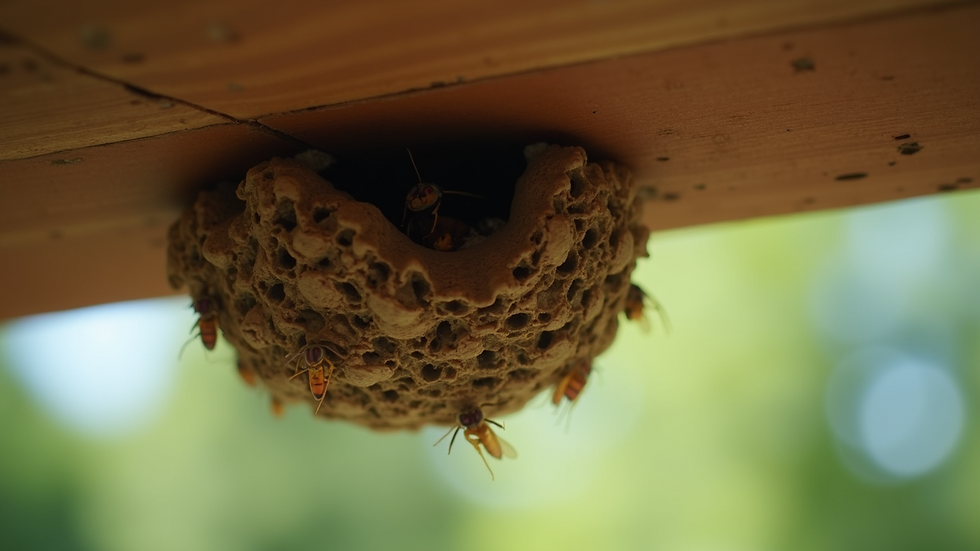
When you spot signs of pests, act quickly. Early intervention can prevent a small problem from turning into a full-blown infestation. Simple steps like sealing cracks, keeping food sealed, and maintaining cleanliness can make a huge difference.
Practical Local Pest Issues Solutions You Can Try Today
Let’s get into some hands-on solutions that you can implement right now. These tips are easy, effective, and don’t require expensive equipment.
1. Seal Entry Points
Pests love to sneak in through tiny gaps around doors, windows, and pipes. Grab some weather stripping, caulk, or foam sealant and close those holes. This simple step can keep mice, ants, and even wasps out.
2. Keep Food Stored Properly
Store food in airtight containers, especially sweets and pet food. Ants and cockroaches are attracted to crumbs and spills, so clean up immediately after meals.
3. Manage Waste Wisely
Use bins with tight-fitting lids and empty them regularly. Compost heaps should be kept away from the house to avoid attracting rodents.
4. Maintain Your Garden
Trim back bushes and trees that touch your home. Wasps and birds often use these as bridges to get inside. Also, remove any standing water to reduce breeding grounds for insects.
5. Use Natural Deterrents
Certain plants like mint, lavender, and citronella can repel pests naturally. Place pots near entry points or garden areas to keep bugs at bay.
6. Set Traps and Baits
For rodents, humane traps or bait stations can be effective. Just be sure to place them where children and pets can’t reach.
If these DIY methods don’t do the trick, it’s wise to call in the experts. Professional pest control services have the tools and knowledge to handle stubborn infestations safely and thoroughly.
How much does local pest control cost?
One of the questions I often get asked is about the cost of pest control services in Cornwall. Prices can vary depending on the type of pest, the size of the property, and the severity of the infestation. Here’s a rough idea to help you budget:
Inspection and quote: Many companies offer a free or low-cost inspection to assess the problem.
Basic treatments: For small infestations like ants or a few mice, expect to pay between £50 and £150.
Extensive infestations: Larger problems, such as wasp nests or rat infestations, can cost between £150 and £300 or more.
Ongoing contracts: If you want regular pest prevention, monthly or quarterly plans are available, often costing around £30-£60 per visit.
Remember, investing in professional pest control can save you money in the long run by preventing damage and health risks. Plus, many companies offer guarantees, so you get peace of mind.

If you’re looking for reliable and friendly service, I highly recommend checking out cornwall pest control. They specialise in local pest issues solutions and have a great reputation for effective treatments and excellent customer care.
Tips for Preventing Future Pest Problems
Once you’ve dealt with the immediate pest issue, the next step is prevention. Here are some easy habits to adopt that will keep pests away for good:
Regular cleaning: Don’t let crumbs or spills linger. Vacuum and mop floors frequently.
Routine inspections: Check your property monthly for signs of pests or damage.
Proper storage: Keep firewood, garden tools, and recycling bins away from the house.
Fix leaks: Damp areas attract cockroaches and other insects, so repair dripping taps and pipes.
Educate your household or staff: Make sure everyone knows how to spot and report pest signs early.
By staying vigilant and proactive, you can enjoy a pest-free environment all year round.
When to Call in the Professionals
Sometimes, despite your best efforts, pests can be stubborn. If you notice any of the following, it’s time to get expert help:
Persistent sightings of rodents or insects despite DIY attempts.
Large wasp nests in hard-to-reach places.
Damage to property, wiring, or insulation.
Health issues linked to pests, such as allergies or bites.
Infestations in commercial premises where hygiene is critical.
Professional pest controllers use safe, effective methods tailored to your situation. They also provide advice on preventing future problems, making them a valuable partner in protecting your home or business.
Remember, dealing with pests early and effectively protects your property, health, and peace of mind. Don’t hesitate to reach out to trusted local experts who understand Cornwall’s unique pest challenges.
I hope these tips and insights help you feel more confident about handling pest problems. With a little knowledge and the right support, you can keep your space comfortable and pest-free. Here’s to a happy, healthy home or business in beautiful Cornwall!


Comments