
Understanding Common Pest Issues in Cornwall
- Adam Heard
- Oct 10
- 4 min read

Living in Cornwall means enjoying beautiful coastlines, charming villages, and a mild climate. But it also means dealing with some pesky visitors that can sneak into your home or business. Yes, I’m talking about pests! Whether it’s a few ants in the kitchen or a more serious rodent problem, understanding these common pest problems in Cornwall is the first step to keeping your space safe and comfortable.
Let’s dive into the most frequent pests you might encounter, how to spot them early, and what you can do to keep them at bay. Plus, I’ll share some tips on when it’s time to call in the experts.
Common Pest Problems in Cornwall: What You Need to Know
Cornwall’s unique environment creates a perfect setting for certain pests to thrive. Here are some of the most common culprits:
1. Rodents - Mice and Rats
Rodents are a classic problem, especially in older buildings or places with easy access to food. Mice and rats can cause damage by chewing through wires, insulation, and even wood. They also carry diseases, so it’s important to act fast if you spot signs like droppings, gnaw marks, or scratching noises at night.
Tip: Seal any gaps around doors, windows, and pipes. Keep food sealed and clean up crumbs promptly.
2. Wasps
Wasps can be a real nuisance during the warmer months. They build nests in eaves, sheds, and even underground. While they’re beneficial pollinators, their stings can be painful and dangerous for those allergic.
Tip: Avoid leaving sugary drinks or food outside. If you find a nest, it’s best to get professional help to remove it safely.
3. Ants
Ants love to invade kitchens and pantries, especially when the weather warms up. They’re attracted to sweet and greasy foods and can quickly form trails leading to your food sources.
Tip: Clean surfaces regularly and store food in airtight containers. Vinegar or lemon juice can disrupt their scent trails.

4. Fleas and Ticks
If you have pets or spend time outdoors, fleas and ticks can be a concern. Fleas can infest your home, causing itchy bites, while ticks can carry Lyme disease.
Tip: Regularly treat pets with vet-approved products and check them after walks. Vacuum your home thoroughly and wash pet bedding often.
5. Moths
Clothes moths and pantry moths are common in Cornwall homes. Clothes moths damage fabrics, while pantry moths infest stored food like grains and cereals.
Tip: Store clothes in sealed containers and keep your pantry clean. Use natural repellents like lavender or cedar for clothes moths.
How much will it cost for pest control?
Now, you might be wondering about the cost of dealing with these pests. The price can vary depending on the type of pest, the severity of the infestation, and the size of your property. Here’s a rough idea:
Rodent control: £100 - £300
Wasp nest removal: £80 - £200
Ant treatment: £50 - £150
Flea and tick treatment: £70 - £200
Moth control: £60 - £150
Keep in mind, these are ballpark figures. Some infestations might require multiple visits or ongoing treatment, which can affect the total cost. It’s always a good idea to get a free quote from a trusted local service.
If you want peace of mind and effective results, consider reaching out to cornwall pest control. They offer tailored solutions and friendly advice to help you tackle any pest problem quickly.

DIY Pest Control Tips That Really Work
Sometimes, a little effort on your part can prevent pests from becoming a big problem. Here are some practical tips you can try at home or your business:
Keep it clean: Regularly clean floors, counters, and storage areas. Don’t leave food out overnight.
Seal entry points: Use weather stripping, caulk, or mesh to block holes and cracks.
Manage waste: Use bins with tight-fitting lids and empty them often.
Reduce moisture: Fix leaks and use dehumidifiers in damp areas. Pests love moisture!
Use natural deterrents: Herbs like mint, lavender, and rosemary can repel some insects.
Remember, prevention is always better than cure. The more you can do to make your property less inviting, the fewer pests you’ll have to deal with.
When to Call in the Professionals
While DIY methods can be effective for minor issues, some pest problems need expert attention. Here are signs it’s time to call in the pros:
You see large numbers of pests or signs of infestation.
Pests are causing damage to your property or belongings.
You or someone in your household has allergies or health concerns related to pests.
You’ve tried DIY methods but the problem persists.
You find a wasp nest or other potentially dangerous pests.
Professional pest controllers have the knowledge, tools, and safe treatments to handle pests quickly and effectively. Plus, they can offer advice on preventing future problems.
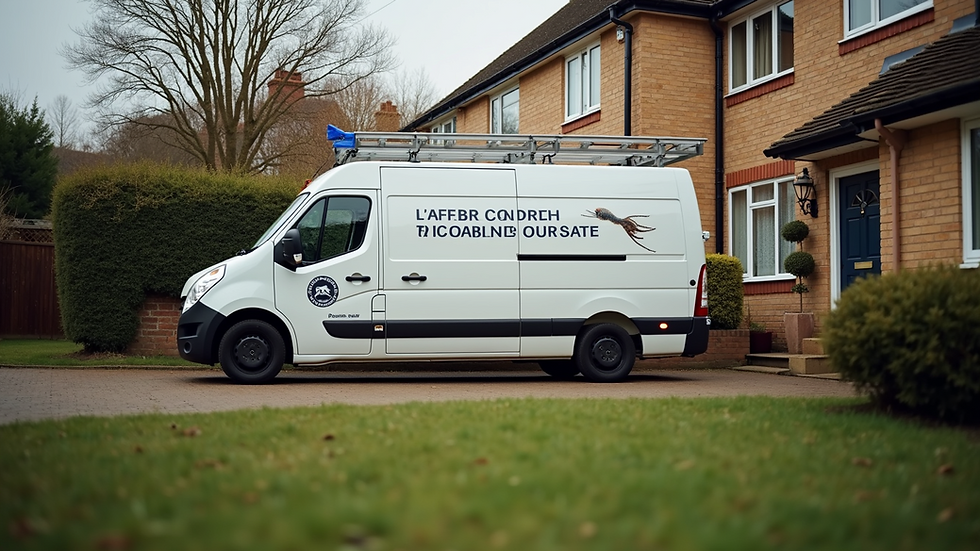
Keeping Cornwall Pest-Free Together
Dealing with pests can feel overwhelming, but you’re not alone. With a bit of knowledge and the right help, you can protect your home or business from unwanted guests. Remember to stay vigilant, act early, and don’t hesitate to seek professional support when needed.
If you want reliable, friendly, and effective pest solutions, cornwall pest control is here to help. They understand the unique challenges of Cornwall’s environment and are committed to keeping your space pest-free.
Here’s to a comfortable, pest-free home or workplace in beautiful Cornwall!


Comments